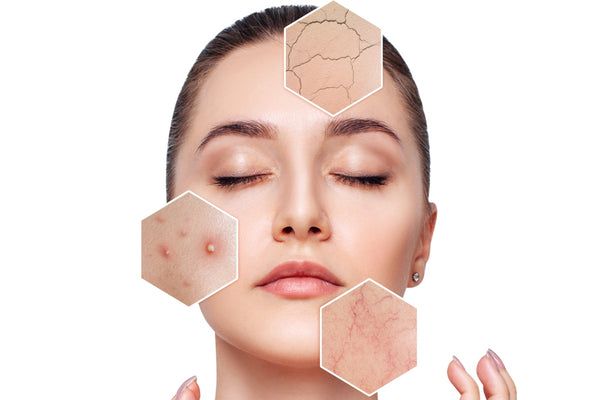
Knowing your skin type is the first and most important step in building a skincare routine that actually works. Many people struggle with acne, dryness, or irritation simply because they are using the wrong products for their skin. Your skin type is determined by how much oil your skin produces, how well it retains moisture, and how it reacts to external factors like weather, products, and pollution. The four main skin types are oily, dry, combination, and sensitive, and each one requires a different approach to care.
What Determines Your Skin Type?
Your skin type depends on multiple factors such as:
- Genetics (natural oil production)
- Climate (humidity increases oil, cold weather causes dryness)
- Hormonal changes (can lead to acne or oiliness)
- Lifestyle habits (diet, stress, sleep, skincare routine)
1. Oily Skin
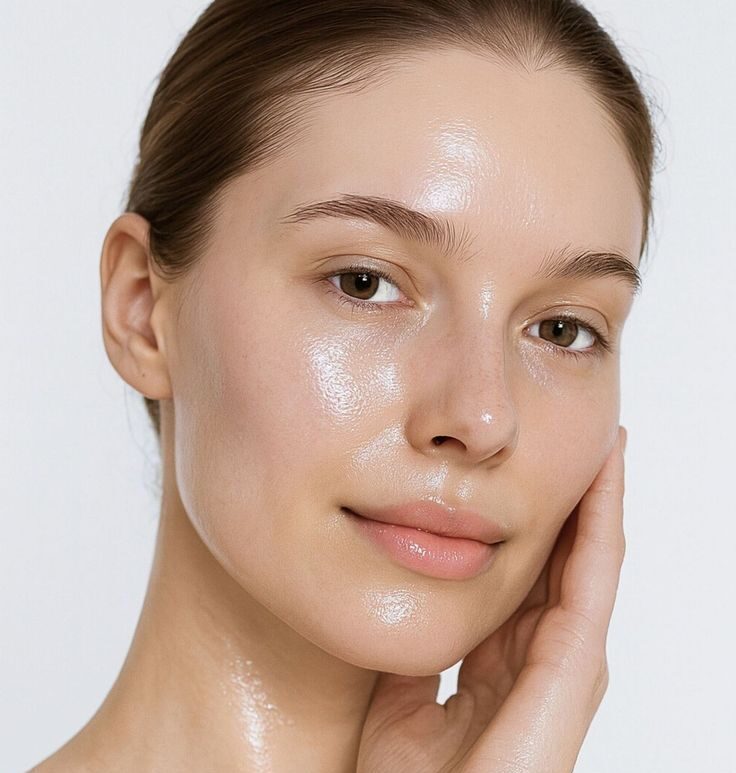
Oily skin produces excess sebum, giving the face a shiny or greasy appearance.
Signs of Oily Skin:
- Shine appears quickly after washing
- Frequent acne and breakouts
- Enlarged pores
- Makeup doesn’t stay long
Cause: Overactive oil glands due to hormones or genetics.
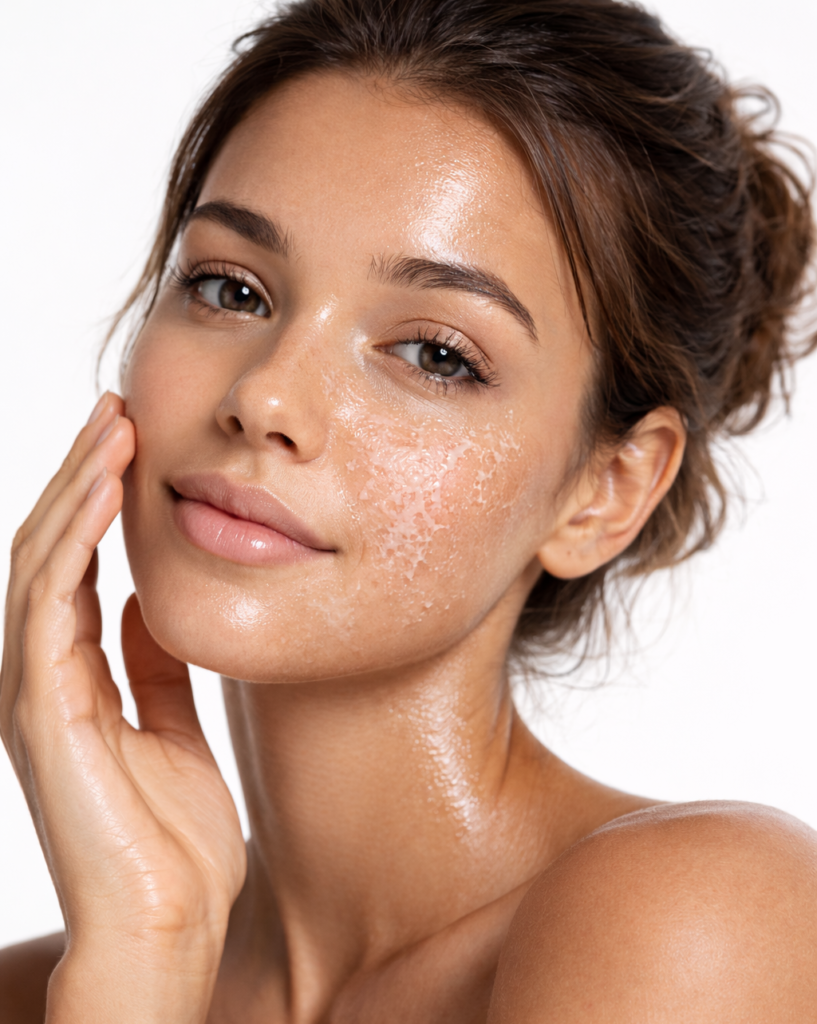
2. Dry Skin
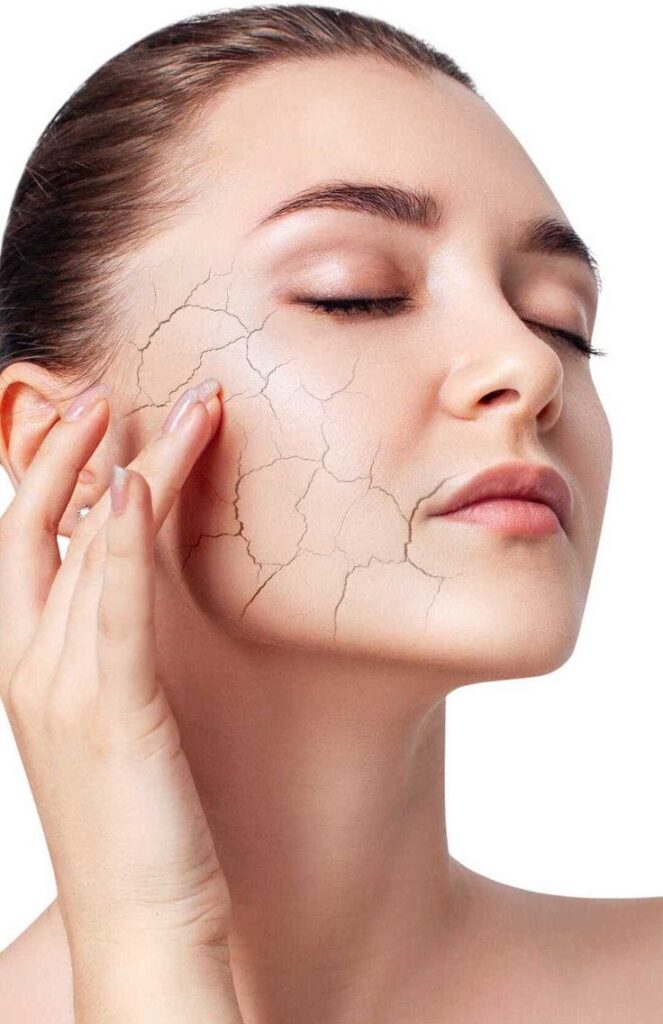
Dry skin lacks natural oils and hydration, making it feel rough and tight.
Signs of Dry Skin:
- Tightness after cleansing
- Flaky or peeling skin
- Dull appearance
- Fine lines more visible
Cause: Low oil production and poor moisture retention.
3. Combination Skin
Combination skin is a mix of oily and dry areas.
Signs of Combination Skin:
- Oily T-zone (forehead, nose, chin)
- Dry or normal cheeks
- Occasional breakouts in specific areas
Cause: Uneven oil production across the face
4. Sensitive Skin
Sensitive skin is easily irritated and reacts quickly to products or environmental changes.
Signs of Sensitive Skin:
- Redness or burning sensation
- Itching or irritation
- Breakouts after trying new products
- Skin reacts to weather, pollution, or harsh ingredients
Cause: Weak skin barrier or reaction to chemicals, fragrances, or allergens.

Easy Methods to Identify Your Skin Type
1. Bare Face Test (Most Effective)
- Wash your face with a gentle cleanser
- Do not apply any product
- Wait for 45–60 minutes
Results:
- Shiny all over → Oily skin
- Tight and flaky → Dry skin
- Oily T-zone only → Combination skin
- Redness/irritation → Sensitive skin
2. Blotting Paper Test
- Press blotting paper on different parts of your face
Results:
- Oil on entire sheet → Oily skin
- Little or no oil → Dry skin
- Oil only from T-zone → Combination skin
3. Product Reaction Test (For Sensitive Skin)
Apply a small amount of any new product behind your ear or on your wrist.
Results:
- No reaction → Normal tolerance
- Redness, itching, or burning → Sensitive skin
Common Mistakes to Avoid
- Skipping moisturizer (all skin types need hydration)
- Using harsh or alcohol-based products
- Trying too many products at once
- Ignoring skin reactions
Skincare Tips for Each Skin Type
Oily Skin:
- Use oil-free and gel-based products
- Cleanse twice daily
- Use non-comedogenic sunscreen
Dry Skin:
- Use hydrating cleansers
- Apply thick moisturizer
- Avoid hot water
Combination Skin:
- Use balanced products
- Treat T-zone and cheeks differently
- Avoid heavy creams
Sensitive Skin:
- Use fragrance-free products
- Choose gentle, minimal ingredients
- Always do a patch test
- Avoid harsh scrubs and chemicals
Final Thoughts
Identifying your skin type doesn’t require expensive tools—just simple observation and the right methods. Once you understand whether your skin is oily, dry, combination, or sensitive, you can choose products that truly suit your needs and avoid unnecessary skin problems. Healthy skin starts with awareness, and the more you understand your skin, the better results you will achieve in the long run.